


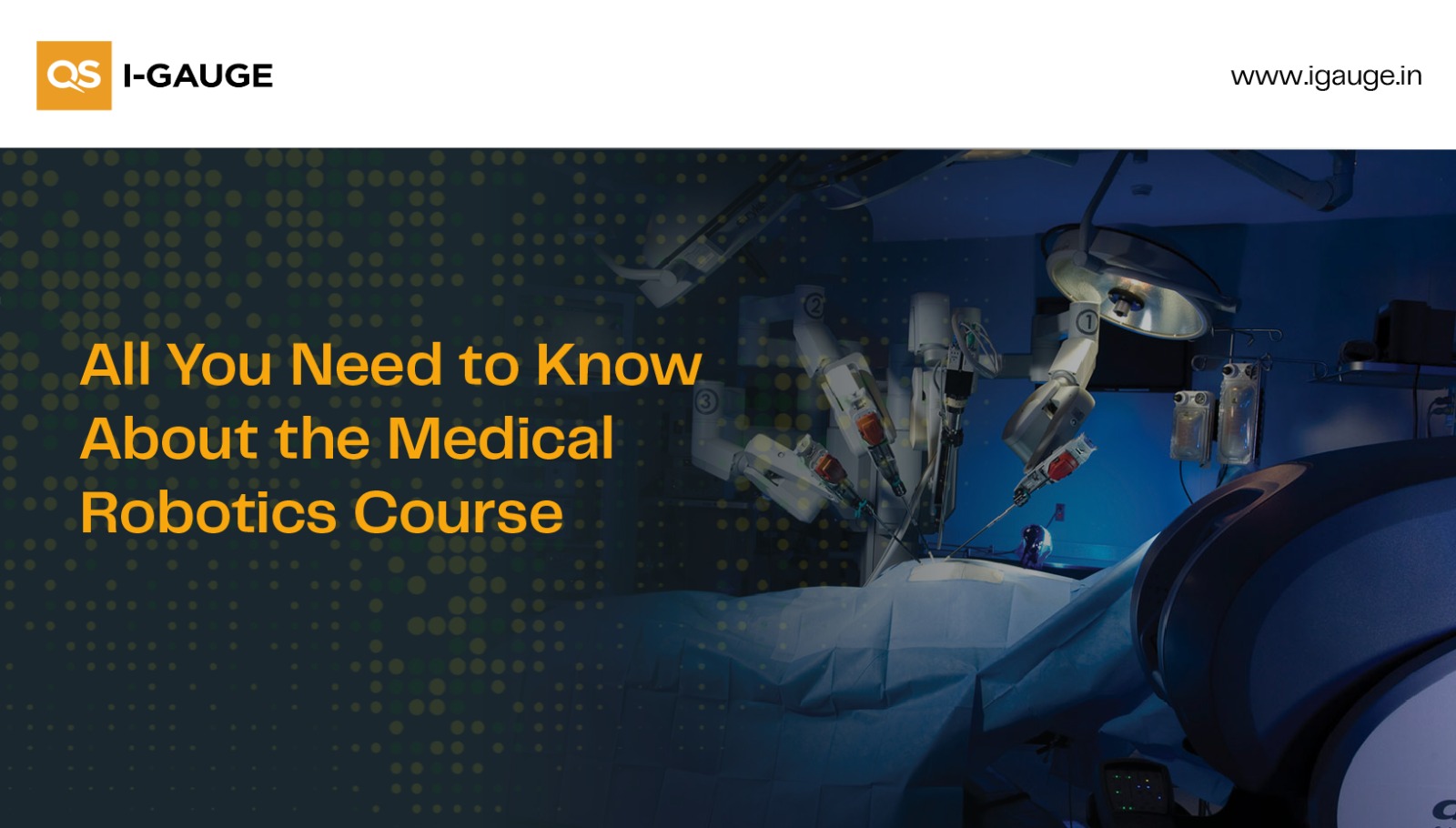
Medical robotics is a career path at the intersection of engineering, artificial intelligence, and healthcare. As corporate hospitals upgrade healthcare technology with surgical robots and assistive devices, and the MedTech sector builds indigenous solutions, demand is growing for local high-end medical-device manufacturing and robotics-trained engineers.
What is Medical Robotics?
It uses robotic systems to help healthcare professionals with diagnosis, surgery, rehabilitation, therapy, and patient care. Often described as high-tech assistants, medical robotics blends robotics, electronics, computer science, biomedical engineering, and clinical knowledge to deliver precision and better outcomes.
Course Options in India
Students can enter medical robotics through several pathways:
B.Tech in Biomedical/Robotic Engineering – This is a 4-year undergraduate engineering course with a focus on foundational engineering subjects coupled with biomedical subjects and specialised medical robotics subjects.
After completing 12th grade in PCM with an aggregate of 45% to 60%, students can take entrance exams such as JEE Main, state-level exams, or university-level exams to qualify for engineering admissions. The fee range in government institutions is between Rs. 40,000 and Rs. 1.5 lakhs (for the complete course), and between Rs. 8 lakhs and Rs. 18 lakhs or more (for the complete course) in private institutions. However, the fees depend on merit, management seats, etc.
B.Sc. in Medical Robotics/Surgical Robotics Technology/Advanced Healthcare Technology – This is a 4-year undergraduate course with a focus on human biology, medical electronics, and robotics engineering.
Students who have completed Class 12 with PCM or PCB and an aggregate of 50%-60% are eligible to apply after clearing state-level entrance exams such as CUET UG, TG EAPCET, or university-level entrance exams. The fee ranges from Rs. 5 lakhs to Rs. 7 lakhs for the complete course; however, merit-based scholarships may be available based on academic performance.
M.Sc. in Medical Robotics/M.Tech in Biomedical Engineering and AI/M.Tech in Robotics/Mechatronics/M.Sc. or PhD (abroad) in Biomedical Robotics, Surgical Systems, or Rehabilitation Engineering - Graduates in engineering, life sciences, or health sciences who want deeper expertise in surgical robotics, rehabilitation engineering, and R&D can pursue post-graduation studies.
Career Scope in India
The med-tech and healthcare-technology sectors are expanding rapidly in India, with the country crossing 44,000 robotic surgeries annually, supported by a growing ecosystem of domestic and global robotic systems. Some premium hospitals, speciality centres, rehabilitation clinics, and research labs in India have deployed surgical robots to support healthcare procedures. Indigenously developed robotic systems include SSI Mantra, Meril MIZZO Endo 4000, and leading global robots include the da Vinci Surgical System, Hugo RAS, Versius, Stryker Mako, etc.
Job Roles After Medical Robotics
In the engineering and R & D sector
- Robotics Software Engineer (AI/Medical)
- Mechanical/Biomechanical Engineer
- Embedded Systems Engineer
- Control Systems Engineer
- Systems Integration Specialist for Medical Robots
- Robotics Prosthetics Developer
- Medical Device R&D Engineer
- Research Scientist in Medical Robotics
- Usability/Human Factors Engineer
Healthcare sector
- Clinical Robotics Engineer
- Surgical Robotics Specialist/Clinical Robotics Coordinator
- Rehabilitation Robotics Engineer
- Technical Support and Training Engineer for Robotic Systems
Regulatory and Quality assurance departments
- Medical Device Regulatory Affairs Specialist
- Quality Assurance/Test Engineer
- Product Manager for Medical Robotics
Graduates in India can work in R & D labs, IITs, AIIMS, DRDO, health-tech firms, assistive tech start-ups, medical device manufacturing companies, surgical robotics companies and distribution firms.
Salary Trends
Salaries vary by role, city, employer, and skill set.
Freshers with around 2 years’ experience are offered between Rs. 3.5 lakhs and Rs. 6 lakhs per annum. Some surgical robotics and software roles start at Rs. 6 lakhs to Rs. 8 lakhs per annum.
Mid-level professionals with around 3–6 years’ experience are offered between Rs. 8 lakhs and Rs. 15 lakhs for design, integration, and clinical specialist roles; AI/ROS-focused engineers can earn between Rs. 12 lakhs and Rs. 18 lakhs per annum.
Senior roles with more than 7 years’ experience can earn between Rs. 18 lakhs and Rs. 30 lakhs per annum, including lead engineers, project managers, and R&D leads in med-tech and MNCs.
However, specialised roles offer strong pay potential -
- A Surgical Robotics Engineer (fresher) can earn between Rs 6 lakhs and Rs. 12 lakhs, and senior professionals can earn between Rs. 18 lakhs and Rs. 35 lakhs per annum.
- An ROS Software Engineer in the healthcare sector can earn between Rs. 7 lakhs and Rs. 12 lakhs per annum for entry roles, and senior roles can earn between Rs. 20 lakhs and Rs. 35 lakhs per annum.
- Rehabilitation Robotics Engineers, as freshers, can earn between Rs. 5 lakhs and Rs. 9 lakhs per annum and senior roles are offered between Rs. 15 lakhs and Rs. 25 lakhs per annum.
Entrepreneurship in assistive devices, surgical tools, and health-tech start-ups is another great opportunity for graduates. Postgraduates and those with strong project portfolios, hospital/med-tech internships, and certifications in ROS, embedded systems, or clinical applications often command higher packages.
Conclusion
Medical robotics is a fast-growing, future-focused field that combines healthcare and technology. Global med-tech firms and research labs increasingly recruit Indian engineers, especially those with expertise in AI-enabled robotics, image-guided surgery, and smart prosthetics. India’s advancing healthcare ecosystem and global demand for skilled professionals are steadily opening doors to diverse opportunities and competitive salary packages for graduates, while also offering avenues to contribute to better patient care through high-end technologies and innovations.
For personalised guidance and more information, write to us at marketing@igauge.in, and our team will get in touch with you.
Disclaimer
The blog is curated by referring to various credible sources and does not necessarily reflect the opinions or positions of QS I-GAUGE. The information provided is for general informational purposes only, readers are advised to conduct their own research and seek professional advice before making any decisions.





.svg)

.svg)
.svg)