


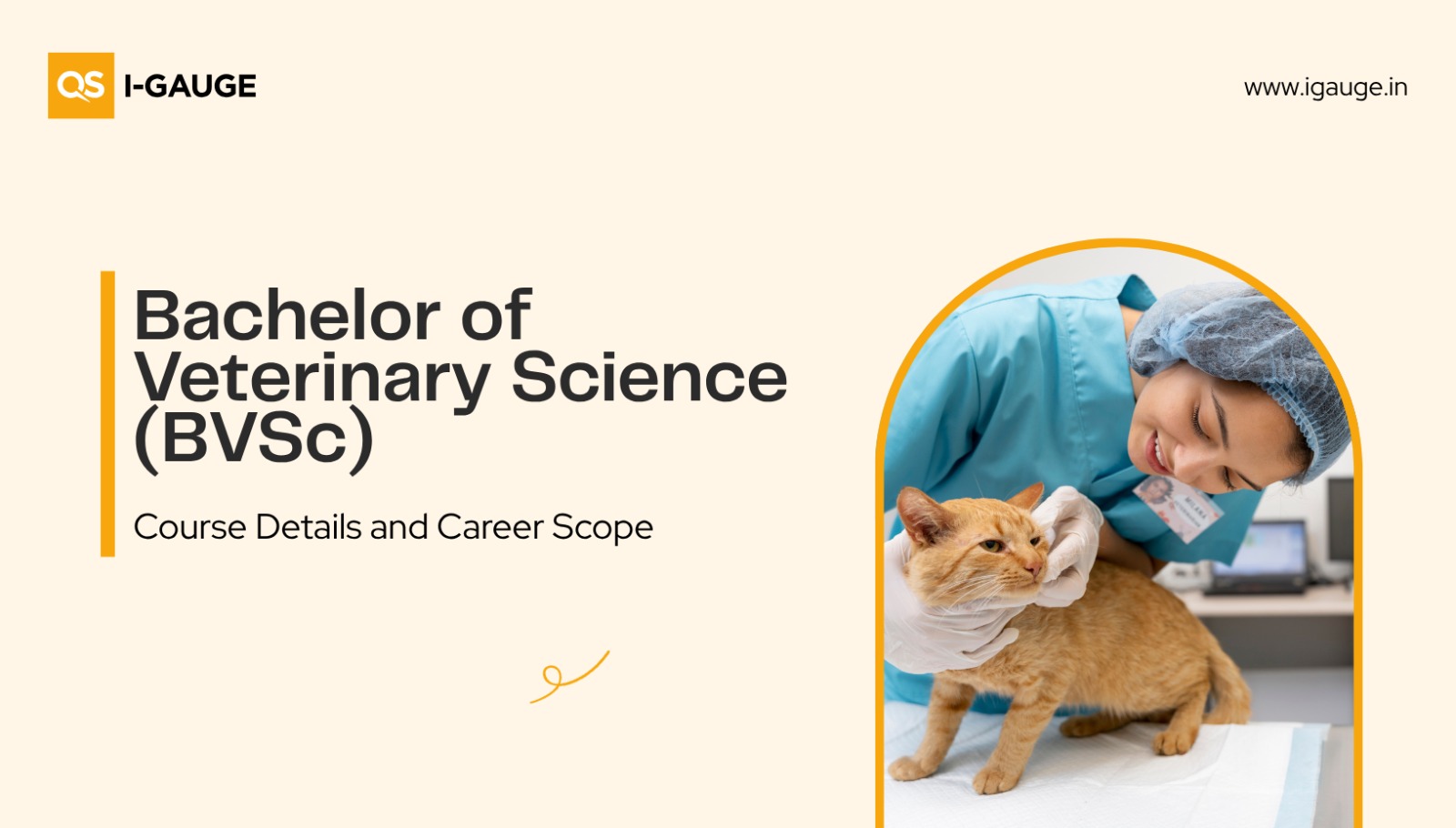
Every specialisation in the medical profession demands passionate individuals who can go beyond diagnosis and treatment and aim at overall patient care. When it comes to veterinary doctors, it demands a special mix of empathy towards animals, a temperament to understand their challenges, and the right knowledge and skills to treat them.
Who should take up a veterinary science course?
1. Those who genuinely care about animal health and are willing to treat pets, livestock, wild animals, and sometimes even aggressive animals.
2. Animals cannot express their discomfort and pain in words. It takes a lot of patience, observational skills, and empathy to deal with them.
3. While treating sick and injured animals, doctors have to, at times, decide euthanasia (mercy killing) as the best option to end the suffering, which requires emotional resilience and composure.
4. This is mostly practical work involving assisting births, performing the required procedures, and at times, working in a farm or field setting. So, this suits the ones who are willing to be on their toes!
About the course
The Bachelor of Veterinary Science is a 4.5 to 5-year undergraduate course; 6 months to 1-year internship is mandatory towards the end of the course. Students after class 12, with PCB (Physics, Chemistry, and Biology), and a minimum of 50% aggregate, are eligible to apply. However, students should clear the NEET (National Eligibility cum Entrance Test) UG exam.
The course covers subjects such as animal anatomy, pathology, physiology, nutrition, parasitology, genetics, surgery, and animal care. Many colleges also offer this as a Bachelor of Veterinary Science and Animal Husbandry course with a focus on the health and well-being of the livestock.
The fee at government colleges ranges from Rs. 10,000 to Rs. 2 lakhs per annum. Private colleges charge between Rs. 1 lakh and over Rs. 5 lakhs per annum. Management seats can go up to Rs. 8 lakhs per year.
Career scope
Graduates can work in diverse settings, including -
1. Veterinary hospitals – Corporate hospitals, private clinics, animal healthcare centers
2. Public sector – Veterinary officers, livestock development officers in state and central departments, defense dogs training centres, etc.
3. Academic and research sectors.
4. Wildlife and conservation – Zoos, sanctuaries, aviaries, wildlife biologists in national parks, NGO consultants, etc.
5. Agricultural sector – Take up active roles in poultry, dairy, and breeding farms, and feed-manufacturing companies.
6. Pharmaceutical sector – Drug testing, research, and marketing of veterinary medicines.
7. Food safety sector – Work closely with the public health and inspection industry to ensure food safety standards are met for meat and dairy products.
Salary
General veterinarians can earn up to Rs. 80,000 per month based on their skills and experience. In the academic sector, they can earn up to Rs. 60,000 per month. Private practice largely depends on experience, knowledge, pet parents’ satisfaction, and skills. So, private practitioners can set their price based on these criteria.
Conclusion
Veterinary science is a rewarding career provided the professionals combine patient care and skills in equal measures. It provides an opportunity to make a meaningful impact on animal well-being while building a strong career base.
For personalised guidance and more information, write to us at marketing@igauge.in and our team will get in touch with you.
Disclaimer
The blog is curated by referring to various credible sources and does not necessarily reflect the opinions or positions of QS I-GAUGE. The information provided is for general informational purposes only, readers are advised to conduct their own research and seek professional advice before making any decisions.



.png)



.svg)

.svg)
.svg)