


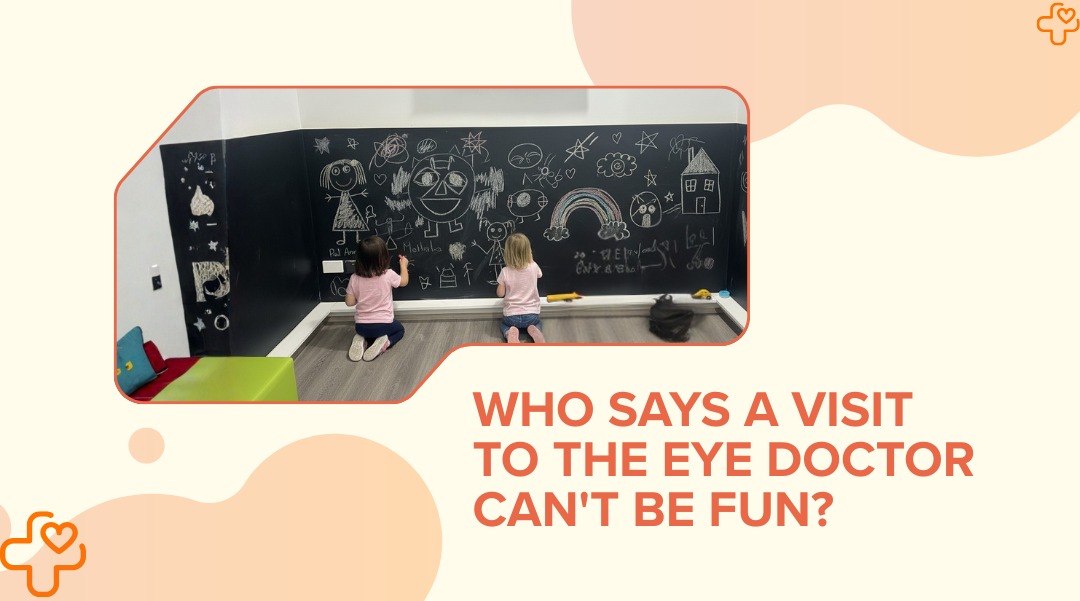
For many children, a visit to the doctor can feel a little overwhelming. Unfamiliar surroundings, medical equipment, and not knowing exactly what will happen can make even a routine appointment seem daunting. Whether it's a regular health check-up, a vaccination, or an eye examination, healthcare visits can sometimes bring anxiety for young patients.
And it's not just children who feel the stress. Parents often find themselves worrying too, wondering how their child will react, how the appointment will go, or simply trying to reassure their nervous little one.
This is why many healthcare facilities are rethinking the waiting room experience and creating spaces that feel welcoming, engaging, and child-friendly. When children feel comfortable and relaxed, parents tend to feel more at ease as well, making the entire healthcare experience a more positive one for everyone involved.
How does play make a difference?
Play is a natural way for children to learn, explore, and manage emotions. When children engage in activities such as drawing, building with blocks, reading books, or playing simple games, their focus shifts away from anxiety and toward something enjoyable and familiar.
Research has shown that play can help reduce stress, improve mood, and create a sense of control in unfamiliar situations. By the time children are called in for their appointment, they are often calmer and more relaxed.
Play can also encourage communication. Children who feel comfortable are more likely to engage with healthcare professionals, answer questions, and follow instructions during examinations or treatments.
What makes a waiting area child-friendly?
Creating a welcoming environment for children does not require elaborate designs or expensive equipment. Some simple elements can make a significant difference:
· Interactive activities: Building toys, puzzles, colouring materials, and drawing boards help children stay engaged.
· Age-appropriate entertainment: Gentle cartoons or educational content can provide a comforting distraction.
· Children's books: Stories about visiting doctors, wearing glasses, or maintaining good health can help familiarise children with healthcare experiences.
· Child-sized furniture: Tables and chairs designed for young children help them feel included and comfortable.
· Family-friendly spaces: Areas where parents and children can read, play, or interact together help create a sense of security.
When children feel that a space has been designed with their needs in mind, they are more likely to feel relaxed and positive about their visit.
Benefits beyond the appointment
A positive healthcare experience can have lasting benefits. Children who feel comfortable during medical visits are often more cooperative during examinations and less anxious about future appointments. Over time, this can help foster healthy attitudes toward healthcare and self-care.
Parents benefit as well. A calmer child often leads to smoother appointments, better communication, and a less stressful experience for the entire family.
Child-friendly healthcare environments also reflect a broader understanding that emotional wellbeing is an important part of overall health.
Small changes for a lasting impact
Creating a welcoming space for children does not necessarily require a large investment. Simple additions such as activity corners, books, colouring stations, or family-friendly seating can transform the atmosphere of a waiting area.
The goal is not simply to keep children occupied but to help them feel safe, comfortable, and supported. By recognising that children experience healthcare differently from adults, healthcare providers can create environments that make visits less intimidating and more positive.
When children leave a healthcare facility feeling confident and reassured, it benefits not only the child but also their families and the healthcare professionals who care for them.
Note: If there is a special request from a parent to ensure their child has a good experience and can cooperate for their eye exam, they can discuss with our staff so their appointments with Dr Taranath or any of the other providers can be made accordingly.



 vs combined defence services (cds) – key differences explain.jpeg)


.svg)

.svg)
.svg)