


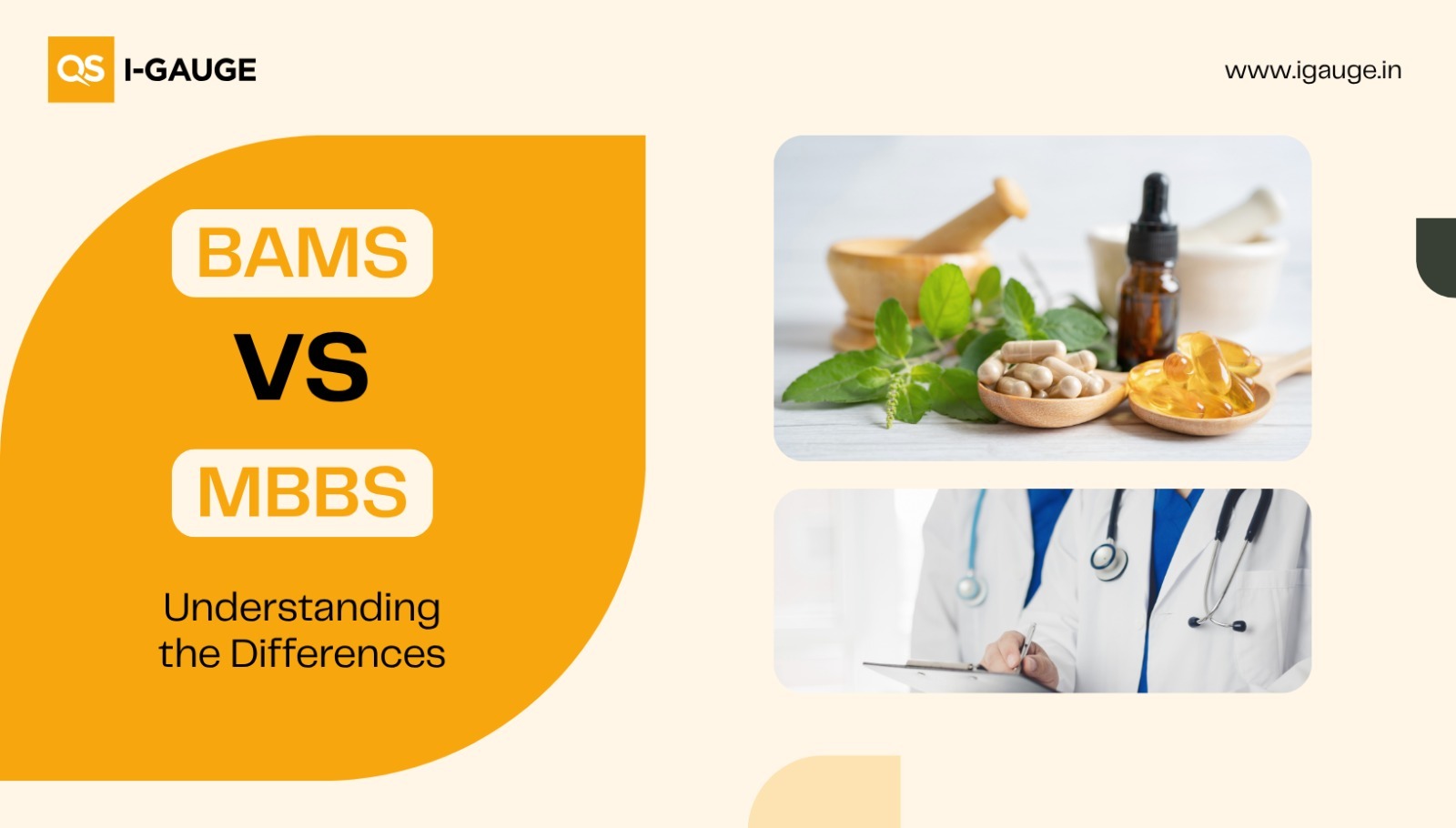
The Indian healthcare system is gradually shifting from an illness-focused model to preventive care that combines early diagnosis, vaccination, individualised care, lifestyle modification, and long-term wellness. While there is a constant emphasis on child and maternal health, and communicable diseases, non-communicable and chronic diseases such as diabetes, hypertension, cancer, cardiovascular diseases, and respiratory illnesses are constantly on the rise. The National Programme for Prevention and Control of Non-Communicable Diseases (NCDs) estimates that NCDs contribute to 63% of deaths in India. The share of ageing population is expected to rise from 10.4% in 2022 to 20.8% by 2030.
This necessitates primary healthcare providers, health centres, district hospitals, and tertiary institutions. India’s healthcare needs are extremely diverse and cannot be addressed by a single professional medical approach. Both MBBS and BAMS courses are important as the country needs professionals who can cater and respond to the changing realities.
Explore more about BAMS here - https://www.igauge.in/blogs/bams-course-details-eligibility-subjects-career-paths-jobs-opportunities-and-salary
Explore more about the best medical courses after 12th here - https://www.igauge.in/blogs/best-medical-courses-after-class-12-career-paths-and-salary-insights
Understanding the key differences between BAMS and MBBS
1. Course structure
BAMS (Bachelor of Ayurvedic Medicine and Surgery) is a 5.5-year professional medical program (4.5 years of academic study and a 1-year mandatory internship) with a focus on Ayurvedic treatment methodologies along with biomedical and clinical training. It is regulated by the National Commission for Indian System of Medicine (NCISM).
The core subjects include Ayurvedic philosophy, Ayurvedic pharmaceutics, Sanskrit and classic Ayurvedic texts, Panchakarma, Dravyaguna, Kayachikitsa, Yoga, preventive healthcare, lifestyle-based management, and related biomedical subjects.
Fees in government colleges – between Rs. 1.5 lakhs and Rs. 3 lakhs (for the complete course).
Fees in private and deemed universities - between Rs. 8 lakhs and Rs. 25 lakhs for the complete course, although some private deemed universities may charge higher.
MBBS (Bachelor of Medicine and Bachelor of Surgery) is also a 5.5-year professional medical program (5.5 years of academic study and a 1-year mandatory internship) but the focus is on modern, evidence-based medicine. It is regulated by the National Medical Commission (NMC).
The core subjects include anatomy, physiology, biochemistry, microbiology, forensic medicine, pathology, pharmacology, general medicine, general surgery, pediatrics, orthopedics, ophthalmology, obstetrics and gynecology, and other clinical specialties.
Fees in government colleges – between Rs. 50,000 and Rs. 5 lakhs (for the complete course).
Fees in private and deemed universities – between Rs. 50 lakhs and over Rs. 1.5 crore for the complete course, depending on the management seat or NRI quotas.
Admissions:
Both courses require students to clear the NEET-UG entrance examination.
The admissions for BAMS is regulated by the AYUSH Admissions Central Counselling Committee (AACCC) for central and deemed institutions. The state AYUSH boards manage the admissions for state quota seats.
The admissions for MBBS is managed through central and state counselling based on the NEET All India rank. The Medical Counselling Committee (MCC) manages All India Quota (AIQ) and admission to central or deemed universities. State medical authorities manage state quota seats.
2. Career Scope
BAMS graduates can find job opportunities in –
· Ayurvedic hospitals and dispensaries
· Panchakarma and wellness centres
· Ayurvedic pharmaceutical companies
· Drug safety, quality control, and product development
· Public health programmes
· Academia and research
· Private practice
· Medical writing, healthcare communications, and health education
Postgraduate programs include MS/MD in Ayurveda and related programmes.
MBBS graduates can find job opportunities in –
· Public and private hospitals
· Private practice
· Primary health centres and community healthcare services
· Pharmaceutical and biotech companies
· Medical education
· Healthcare administration
· Diagnostic and clinic research organisations
· Emergency and casualty departments
Postgraduates programmes include MD/MS/DNB and other related programmes. MBBS graduates get wider job opportunities in modern medical specialties like radiology, cardiology, psychiatry, dermatology, etc., after post-graduation.
Conclusion
For students interested in practicing modern medicine, supporting emergency and hospital care, managing complex medical conditions, strengthening rural and public healthcare, drive research and digital medicine (through telemedicine, genomics, AI, evidence-based clinical guidelines) as a means to treat patients, MBBS is the best option.
For those interested in preventive and holistic care, support culturally familiar healthcare, or scientific research and innovation in Ayurveda-based medical formulations and clinical trials, BAMS is the best option.
Both fields have their advantages. A stronger healthcare in India necessitates a well-regulated and evidence-based system where every healthcare professional gives their best in their area of expertise, refers patients when needed, and collaborates with other practitioners to provide the best possible care.
For personalised guidance and more information, write to us at marketing@igauge.in and our team will get in touch with you.
Disclaimer
The blog is curated by referring to various credible sources and does not necessarily reflect the opinions or positions of QS I-GAUGE. The information provided is for general informational purposes only, readers are advised to conduct their own research and seek professional advice before making any decisions.





.svg)

.svg)
.svg)